Hybrid Network Topology: How It Works, Types, Advantages and Disadvantages

A hybrid network topology combines two or more different network topologies within the same network. Instead of using one structure throughout the entire network, it combines different designs to meet specific networking requirements.
For example, a network may combine star and bus topologies. Another network may combine star and ring structures. The combination depends on factors such as network size, performance requirements, reliability, cost, and future expansion.
Hybrid designs are particularly useful when a single topology cannot efficiently support every part of a network. Organizations can use different structures for different sections while connecting them into one larger network.
Before understanding hybrid designs, it helps to understand Network Topology Explained and how different network structures organize connected devices.
How Does Hybrid Network Topology Work?
A hybrid network works by connecting separate network segments that use different topology structures. Each segment can be designed according to its specific requirements.
For example, a company may use a star topology inside one department because it provides simple device management. Another department may use a different structure based on its own requirements. Networking devices can then connect these sections so that users across the organization can communicate.
This approach gives network administrators more control over the overall design. Instead of forcing every device into the same arrangement, they can select the most suitable structure for each section.
The result is a larger network made up of multiple interconnected segments.
Types of Hybrid Network Topology
There is no single fixed design for a hybrid network. The type depends on the topologies that are combined.
Star-Bus Topology
Star-bus topology combines star and bus structures. Individual groups of devices are arranged in a star pattern, with devices connecting to a central networking device. These separate star networks are then connected through a shared backbone.
This design can be useful when several smaller star networks need to operate as part of a larger network. Each star-based section can be managed independently, but a failure affecting the shared backbone can impact multiple connected sections.
Star-Ring Topology
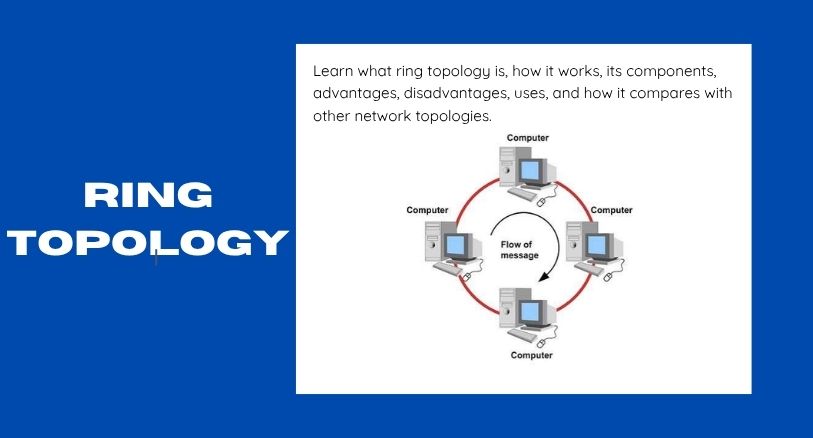
Star-ring topology combines characteristics of star and ring structures. Devices within individual sections can connect to central networking equipment, while the different sections are connected using a ring-based arrangement.
This design can provide an organized way to connect multiple network segments. It also allows administrators to use different structures at different levels of the network.
Mesh-Star Topology
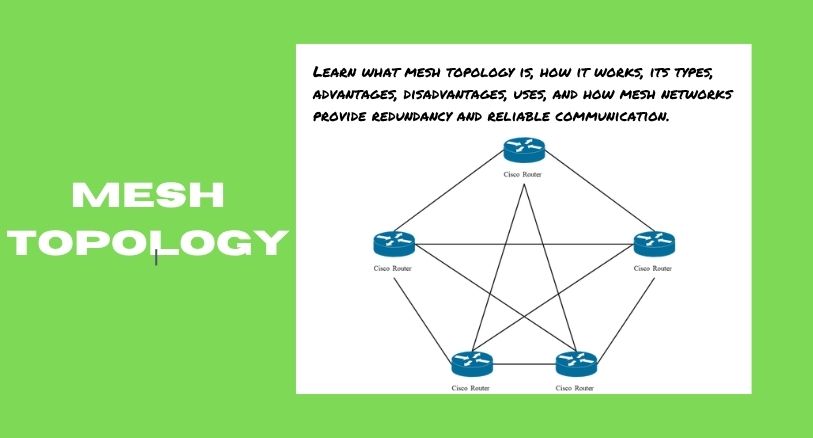
Mesh-star topology combines star and mesh structures. Local devices may connect to central switches using a star arrangement, while important network devices or sections have multiple connections between them.
This approach can improve redundancy in critical areas. If one connection fails, another path may be available. However, additional connections can increase equipment, installation, and maintenance requirements.
For a broader look at these and other structures, see Types of Network Topologies.
Advantages of Hybrid Network Topology
Hybrid network designs offer several advantages, especially for large and complex environments.
Flexible Network Design
Flexibility is one of the biggest benefits of hybrid networking. Different sections of a network can use different structures depending on their requirements.
For example, a department with high traffic may require a different arrangement from a smaller department with fewer devices. A hybrid design makes this possible without redesigning the entire network.
Better Scalability
Hybrid networks can be easier to expand when an organization grows. New departments, buildings, or network segments can be added without necessarily changing the structure of existing sections.
This makes the design suitable for organizations whose networking requirements may change over time.
Improved Fault Isolation
A problem in one network segment does not always affect the entire network. Because different sections can operate independently, administrators may be able to isolate and troubleshoot problems more efficiently.
This can reduce the impact of certain failures on other parts of the network.
Better Performance
Different topology structures can be selected based on traffic and performance requirements.
A section handling large amounts of network traffic can use an appropriate structure, while a smaller section can use a simpler design. This allows the overall network to be optimized according to actual usage.
Suitable for Large Networks
Large organizations often have multiple departments, buildings, and locations. Using one topology everywhere may not always be practical.
A hybrid structure provides the flexibility needed to connect these different environments while allowing each section to use an appropriate design.
Disadvantages of Hybrid Network Topology
Although hybrid designs provide flexibility, they also introduce several challenges.
Higher Cost
A hybrid network can cost more to build because it may require different types of networking equipment and additional infrastructure.
Installation and maintenance costs can also increase as the network becomes more complex.
Increased Complexity
Managing multiple topology structures is generally more complicated than managing a network based on one topology.
Network administrators need to understand how each segment operates and how the different sections communicate with one another.
Difficult Troubleshooting
Troubleshooting can take longer because a problem may originate in one segment but affect communication with another.
Administrators may need to examine multiple devices, connections, and network sections before identifying the source of a problem.
Requires Skilled Administration
Designing and maintaining a hybrid network requires appropriate networking knowledge.
Poor planning can create unnecessary complexity, inefficient communication, or higher operating costs. Proper documentation and network management are therefore important.
Where Is Hybrid Network Topology Used?
Hybrid designs are useful in environments where different sections have different networking requirements.
Large Businesses
Large companies may have separate departments with different workloads and infrastructure needs. A hybrid design allows each section to use an appropriate structure while remaining part of the same organization-wide network.
Educational Institutions
Schools, colleges, and universities can have classrooms, laboratories, administrative offices, libraries, and other facilities with different networking requirements.
A hybrid structure can connect these areas while allowing each section to use a suitable topology.
Data Centers
Data centers require scalability, performance, and reliability. Different network structures can be combined to support different parts of the infrastructure.
Critical sections may require redundant connections, while other areas may use simpler arrangements.
Campus Networks
Organizations operating across multiple buildings may use different topology structures inside individual buildings and connect them into a larger network.
This can make hybrid designs useful for large campuses and multi-building environments.
Factors to Consider Before Using Hybrid Network Topology
Choosing a hybrid design requires careful planning. Network administrators should consider the size of the network, the number of connected devices, expected traffic, infrastructure costs, and future expansion.
Reliability is another important factor. Critical sections may require redundant connections, while less important areas may not need the same level of infrastructure.
Management should also be considered. A complex design may provide greater flexibility, but it requires appropriate skills and documentation to maintain it effectively.
Security is equally important. Each network segment should be properly configured and protected, particularly when different sections have different access requirements.
Hybrid Network Topology vs Other Topologies
A hybrid network differs from simpler topology designs because it combines multiple structures rather than relying on one arrangement.
A star topology generally connects devices to a central device. A bus topology uses a shared backbone, while a ring topology connects devices in a circular arrangement. A mesh topology provides multiple connections between devices.
A hybrid design can combine elements of these structures according to the requirements of the network.
The main benefit is flexibility. Administrators can choose different structures for different sections instead of applying one design to the entire network.
However, this flexibility can also increase cost and management complexity. Therefore, the right design depends on the organization’s requirements rather than simply choosing the most complex option.
Is Hybrid Network Topology Still Relevant?
Yes, hybrid network topology remains relevant for complex networking environments. Modern organizations often operate across multiple departments, buildings, and locations, and their networking requirements can vary significantly between these areas. A hybrid approach allows network administrators to create a structure that matches those requirements while providing flexibility and scalability.
However, the design should be planned carefully. A hybrid network is most effective when its additional complexity provides a clear practical benefit. Organizations should consider factors such as cost, performance, reliability, security, and future expansion before choosing a hybrid design.
FAQ’s
What is hybrid network topology?
Hybrid network topology is a network structure that combines two or more different network topologies into one interconnected network.
What are the common types of hybrid network topology?
Common combinations include star-bus, star-ring, and mesh-star topologies. The exact design depends on the requirements of the network.
What is the main advantage of hybrid network topology?
The main advantage is flexibility. Different parts of a network can use different structures based on their performance, scalability, reliability, and management requirements.
What is the main disadvantage of hybrid network topology?
The main disadvantage is increased complexity. Hybrid networks can require more equipment, higher costs, and greater technical expertise to manage.
Is hybrid network topology suitable for large organizations?
Yes. Large organizations can benefit from hybrid designs because different departments, buildings, and locations may have different networking requirements.
Is hybrid network topology scalable?
Yes. A well-designed hybrid network can be expanded by adding new network segments or incorporating additional topology structures as the organization grows.


Post Comment